 CATEGORIES
Why Laser is the Future of Minimally Invasive Surgery
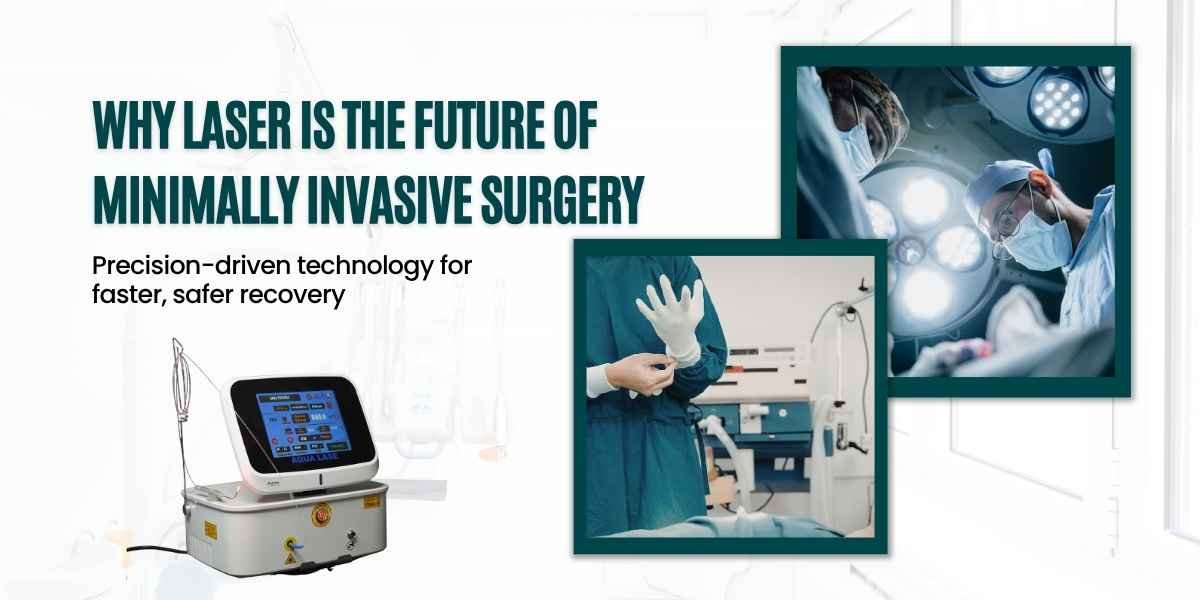
Minimally invasive surgery (MIS) has transformed modern healthcare by reducing patient trauma, shortening recovery times, and improving clinical outcomes. Among the technologies driving this transformation, laser systems stand out as one of the most promising innovations. From precision cutting to enhanced healing, lasers are rapidly becoming the preferred choice across multiple medical specialties. This blog explores why laser technology is shaping the future of minimally invasive surgery.
1. Unmatched Precision and Accuracy4
One of the biggest advantages of laser technology is its exceptional precision. Unlike traditional surgical instruments, lasers can target specific tissues without affecting surrounding areas. This level of accuracy is especially critical in delicate procedures such as ophthalmology, ENT, and dentistry. Surgeons can perform highly controlled incisions, leading to better clinical outcomes and reduced complications.
2. Reduced Bleeding and Enhanced Hemostasis4
Laser energy has the unique ability to coagulate blood vessels as it cuts through tissue. This results in significantly reduced bleeding during procedures. Enhanced hemostasis not only improves visibility for surgeons but also reduces the need for sutures and minimizes the risk of post-operative complications.
3. Faster Recovery and Minimal Downtime4
Patients undergoing laser-based procedures typically experience faster recovery times compared to traditional surgery. Since laser treatments are less invasive, there is minimal tissue damage, reduced pain, and lower risk of infection. This allows patients to return to their daily activities much sooner, making laser surgery an attractive option for both patients and healthcare providers.
4. Lower Risk of Infection4
Lasers sterilize the area as they operate, significantly reducing the chances of bacterial contamination. This built-in sterilization capability makes laser procedures safer and more reliable, especially in sensitive or high-risk surgeries.
5. Versatility Across Medical Specialties4
Laser technology is not limited to a single field—it is widely used across various specialties, including:
- Dentistry (gum reshaping, periodontal therapy)
- Dermatology (skin resurfacing, scar removal)
- Proctology (piles, fissures, fistula treatment)
- Gynecology (vaginal rejuvenation, lesion removal)
- Urology (stone fragmentation, prostate treatment)
This versatility makes laser systems a valuable investment for multi-specialty practices and hospitals.
6. Minimal Scarring and Better Aesthetic Outcomes4
Because lasers are less invasive and more precise, they cause minimal damage to surrounding tissues. This leads to reduced scarring and improved cosmetic outcomes—an essential factor in dermatology, cosmetic surgery, and even dental procedures.
7. Cost-Effectiveness in the Long Run4
While the initial investment in laser equipment may seem high, it offers long-term cost benefits. Reduced operation time, shorter hospital stays, fewer complications, and faster patient turnover all contribute to improved efficiency and profitability for healthcare facilities.
8. Future-Ready Technology with Continuous Innovation4
Laser technology continues to evolve with advancements such as AI integration, robotic-assisted surgery, and improved wavelength customization. These innovations are expanding the scope of minimally invasive procedures, making treatments safer, faster, and more effective than ever before.
Conclusion
Laser technology is redefining the landscape of minimally invasive surgery by offering unparalleled precision, safety, and efficiency. As healthcare continues to move toward patient-centric and outcome-driven approaches, lasers are set to become an essential tool in modern surgical practice.
For medical professionals and healthcare institutions, adopting laser technology is no longer just an option—it is a strategic step toward future-ready, high-quality patient care.