 CATEGORIES
How to Choose the Right Laser Based on Your Specialty
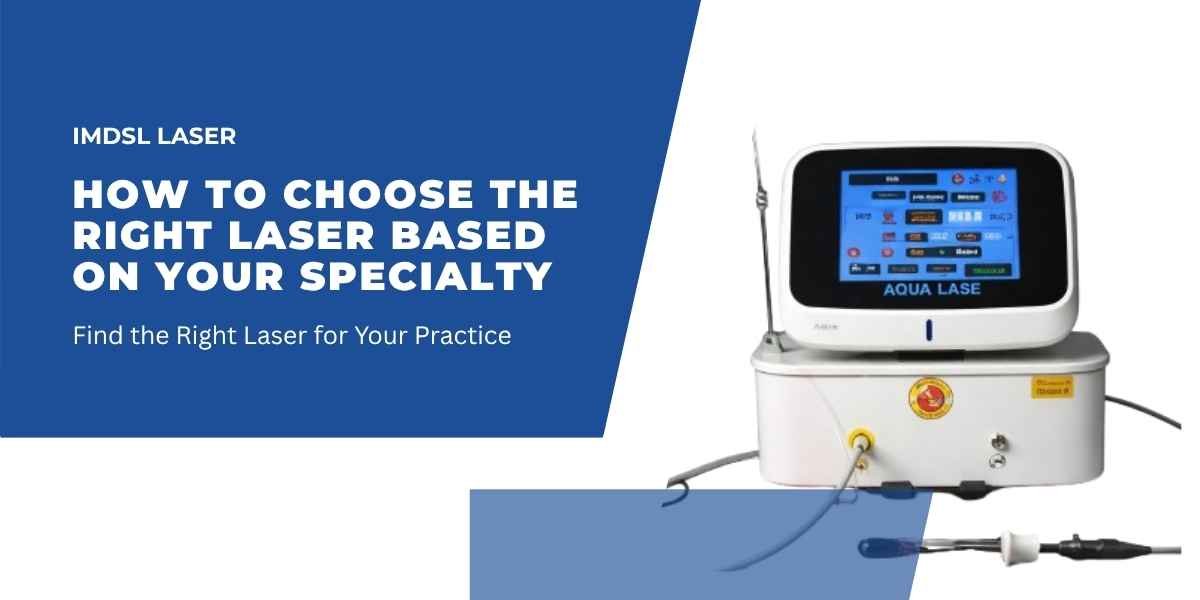
You’re likely comparing multiple laser machines right now, trying to make sense of technical specs, pricing, and promises from different suppliers. It’s overwhelming—and rightly so. This isn’t a small purchase; it’s a decision that directly affects your treatments, patient satisfaction, and clinic revenue. The challenge is that most advice focuses on the technology itself, not how it fits into your day-to-day practice. What you really need is clarity. When you choose a laser based on your specialty, your common procedures, and your growth goals, the decision becomes far simpler—and far more effective.
Why Choosing the Right Laser Matters
The laser you choose plays a central role in how efficiently and effectively you deliver treatments. The right machine allows you to expand your services, improve clinical outcomes, and build patient trust. On the other hand, the wrong choice can lead to underutilised equipment, inconsistent results, and slower returns on your investment. This isn’t just about having advanced technology—it’s about having technology that actually works for your practice and supports your long-term success.
Start With Your Specialty (Not the Technology)
Before diving into laser types, take a step back and look at your specialty. Your daily procedures, patient expectations, and treatment goals should guide your decision—not a list of features. A dermatologist, dentist, or physiotherapist will all need very different capabilities from a laser system. When you start with what you actually do in your clinic, it becomes much easier to narrow down the options and avoid unnecessary complexity or overspending.
Dermatology & Aesthetic Practice
If your focus is on skin and aesthetic treatments, versatility is key. Your clinic likely handles procedures such as hair removal, pigmentation correction, acne treatment, and skin resurfacing. This means you need a laser that can either handle multiple applications or align closely with your most in-demand services. Choosing the right system here can help you expand your offerings and attract a broader patient base, making it a strong driver of revenue growth.
Best-fit lasers:
- Diode lasers → Ideal for hair removal
- CO₂ lasers → Great for resurfacing and scars
- Nd:YAG lasers → Useful for deeper skin treatments and vascular lesions
👉 If your clinic offers multiple treatments, a multi-platform system may be more practical.
Dentistry
In dental practices, precision and ease of use are critical. Lasers are commonly used for soft tissue procedures, gum treatments, and improving patient comfort during treatments. A compact, reliable laser that integrates smoothly into your workflow is far more valuable than a complex system with features you won’t use. The goal is to enhance efficiency and patient experience without adding unnecessary operational challenges.
Physiotherapy & Pain Management
For physiotherapists, lasers are used primarily for healing and pain relief rather than surgical procedures. Treatments focus on reducing inflammation, accelerating tissue repair, and improving recovery time. In this case, consistency and ease of operation matter more than advanced technical features. A dependable system that delivers steady results will support both patient outcomes and treatment efficiency.
Gynaecology
Laser technology in gynaecology is increasingly used for non-invasive and minimally invasive treatments. Procedures often focus on improving patient comfort, addressing specific conditions, and offering modern alternatives to traditional methods. Here, safety, precision, and reliability are essential. Choosing the right laser can help you provide advanced care while maintaining patient trust and comfort throughout the treatment process.
Types of Lasers Explained Simply
While there are many types of lasers available, you don’t need to understand every technical detail to make the right choice. What matters is how each type aligns with your treatments. Some lasers are better suited for surface-level procedures, while others penetrate deeper tissues. By focusing on what each laser is designed to do rather than how it works, you can make a more practical and confident decision.
Key Factors to Consider Before Buying
Once you’ve identified the right type of laser for your specialty, it’s important to evaluate a few key factors before making a final decision. These include your treatment goals, the demand from your patients, your available budget, and how easy the system is to use. You should also consider maintenance requirements and the level of support provided by the manufacturer. These practical factors often have a bigger impact on your experience than the technical specifications.
Single vs Multi-Application Devices
One common decision you’ll face is whether to invest in a single-application laser or a multi-functional system. Single-purpose devices are often more focused and cost-effective, making them a good choice if you specialise in a specific treatment. Multi-application systems, on the other hand, offer flexibility and allow you to expand your services over time. The right choice depends on whether your priority is specialisation or growth.
Common Mistakes to Avoid
Many practitioners make the mistake of choosing a laser based solely on price or popularity. Others invest in advanced systems that they never fully utilise. Ignoring after-sales support or choosing a device that doesn’t align with your core treatments can also lead to frustration. Avoiding these common pitfalls can save you time, money, and unnecessary stress in the long run.
A Simple Decision Framework
If you’re unsure where to start, a simple approach can help. Begin by identifying your most common treatments, then match those to the appropriate type of laser. Next, consider patient demand and evaluate whether the investment makes financial sense. Finally, assess ease of use and support. This structured approach removes guesswork and helps you make a confident, informed decision.
Conclusion
Choosing the right laser doesn’t need to be complicated. When you focus on your specialty, your patients, and your long-term goals, the process becomes much clearer. The best laser for your clinic isn’t the one with the most features—it’s the one that fits seamlessly into your practice and helps you deliver better results. Take the time to evaluate your needs carefully, and you’ll make a decision that supports both your patients and your growth.