 CATEGORIES
Common Mistakes Doctors Make When Choosing Laser Equipment (And How to Avoid Them)
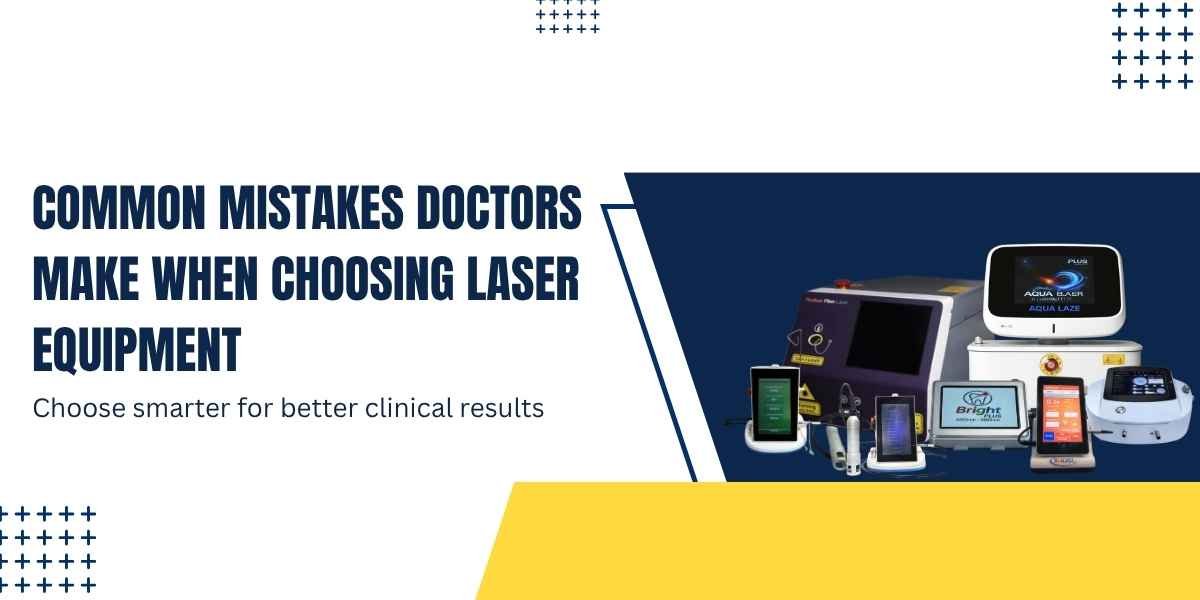
Laser technology has transformed modern medical practice—from minimally invasive surgeries to faster healing and superior patient outcomes. Whether you are a dentist, dermatologist, proctologist, gynecologist, or physiotherapist, investing in the right laser system can significantly elevate your clinical results and revenue. However, many doctors make critical mistakes while choosing laser equipment—mistakes that can limit performance, increase costs, and even affect patient safety. Let’s explore these mistakes in detail and understand how to make a smarter, future-ready investment.
1. Choosing Based on Price Rather Than Clinical Value
A common misconception among doctors is that a lower-priced laser offers better value. In reality, cheaper equipment often compromises on technology, durability, and clinical outcomes. Many practitioners fail to consider hidden costs such as frequent breakdowns, limited treatment capabilities, and higher long-term maintenance expenses. This can directly impact patient satisfaction and clinic reputation. Instead of focusing only on the purchase price, doctors should evaluate the overall return on investment. A high-quality laser system may cost more initially but delivers consistent results, builds patient trust, and ensures long-term profitability.
2. Not Defining Clinical Applications Clearly
Another common mistake is investing in laser equipment without clearly defining clinical needs. Doctors often do not analyze the types of procedures they perform regularly or plan to introduce in the future. This leads to underutilization of the device or the need for additional investment later. For example, a practitioner who purchases a laser only for soft tissue procedures may later require capabilities for hard tissue treatments. It is always advisable to choose a versatile, multi-specialty laser system that supports a wide range of applications across different fields of medicine.
3. Ignoring Wavelength Importance
The wavelength of a laser plays a crucial role in determining how it interacts with tissue. Many doctors rely on brand reputation without understanding the science behind wavelengths, such as absorption by water or hemoglobin and depth of penetration. This lack of knowledge can result in suboptimal clinical outcomes. For instance, certain wavelengths are better suited for coagulation, while others are ideal for precise cutting. Selecting the correct wavelength ensures better precision, safety, and effectiveness during procedures.
4. Overlooking Power Settings & Modes
Power output and operating modes are equally important factors that are often ignored. Some doctors choose devices with inadequate power for surgical applications or fail to consider adjustable modes like continuous and pulsed settings. This can lead to inefficient cutting, longer procedure times, and unwanted thermal damage to surrounding tissues. A well-designed laser system should offer adjustable wattage and multiple modes to suit different clinical requirements, ensuring optimal performance in every procedure.
5. Ignoring Training & Clinical Support
Purchasing laser equipment without proper training is a major mistake that can limit its effectiveness. Many doctors assume that operating a laser device is straightforward, but in reality, it requires hands-on training and a clear understanding of laser-tissue interaction. Without proper guidance, practitioners may lack confidence, use incorrect settings, and fail to achieve desired results. Choosing a provider that offers comprehensive training programs, including live demonstrations and case-based learning, is essential for successful implementation.
6. Neglecting After-Sales Service & Support
After-sales service is a critical aspect that is often underestimated during the buying process. Laser equipment requires regular maintenance and occasional servicing, and lack of timely support can lead to machine downtime and loss of revenue. Clinics may face delays in patient treatments and a negative impact on their reputation. It is important to ensure that the provider offers reliable service support, quick response times, and easy access to spare parts, along with annual maintenance options.
7. Not Checking Certifications & Compliance
Another serious mistake is ignoring certifications and safety standards. Using uncertified or substandard equipment can pose risks to both patients and practitioners. It may also lead to legal complications and damage the credibility of the clinic. Doctors should always verify that the laser system meets recognized safety and quality standards, ensuring safe and effective treatment outcomes.
8. Ignoring Patient Safety & Skin Type Compatibility
Patient safety should always be a top priority, yet many doctors overlook the importance of choosing equipment suitable for different skin types. In a country like India, where patients have diverse skin tones, using an inappropriate laser can lead to complications such as burns, hyperpigmentation, or delayed healing. Selecting a laser system designed for a wide range of skin types ensures safer procedures and better patient satisfaction.
9. Not Considering Practice Growth & Scalability
Many practitioners make the mistake of purchasing equipment based only on their current needs, without considering future growth. As a clinic expands and introduces new treatments, the limitations of the existing device may become apparent, leading to additional investments. Choosing a scalable, multi-functional laser system allows doctors to expand their services without the need for frequent upgrades or replacements.
10. Falling for Marketing Hype Instead of Clinical Evidence
Marketing strategies and promotional offers can sometimes influence buying decisions more than actual clinical value. Doctors may be tempted by discounts or exaggerated claims without verifying the effectiveness of the device. This can result in poor investment decisions. It is always advisable to rely on clinical evidence, request live demonstrations, review case studies, and gather feedback from other practitioners before making a final decision.
Conclusion
Choosing the right laser equipment is not just a purchase—it is a long-term investment in your practice and patient care. Avoiding these common mistakes can help doctors achieve better clinical outcomes, improve patient satisfaction, and maximize their return on investment. A well-informed decision ensures that your practice stays competitive and aligned with modern medical advancements.
Why Choose IMDSL?
At IMDSL, we understand the importance of making the right investment in laser technology. Our advanced multi-specialty laser systems are designed to deliver precision, safety, and versatility across various medical applications. We provide expert-led training programs, reliable after-sales support, and clinically proven technologies to help doctors achieve excellence in their practice.
By choosing IMDSL, you are not just investing in equipment—you are investing in growth, innovation, and superior patient care.