 CATEGORIES
Advantages of Laser Treatment in Dentistry
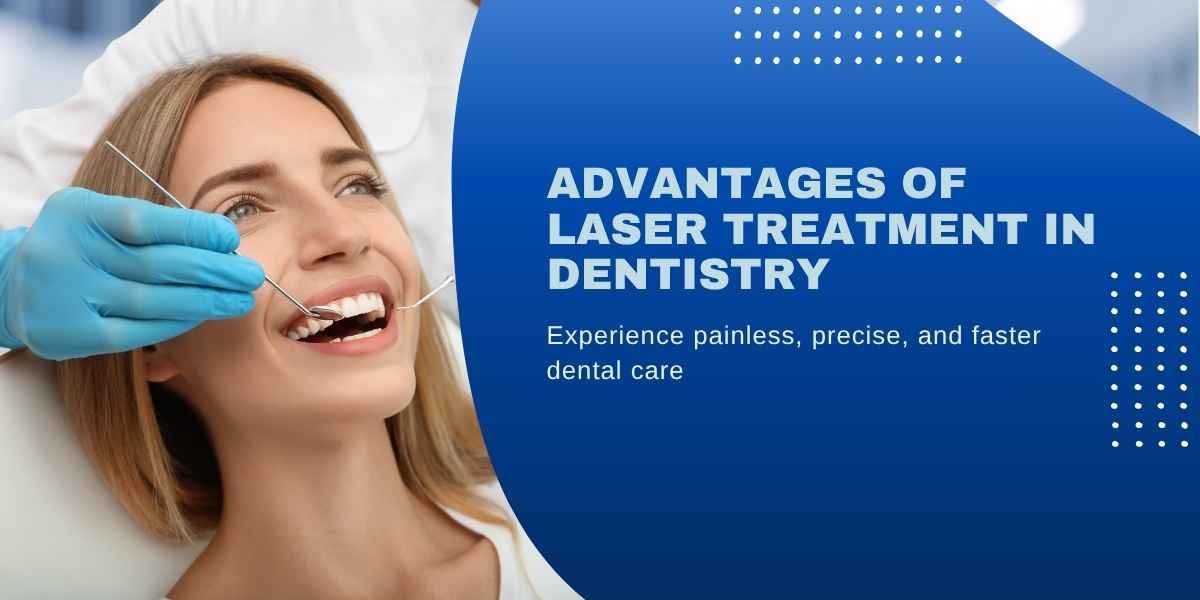
Laser dentistry has transformed modern dental care by introducing a minimally invasive, highly precise, and patient-friendly approach to various dental procedures. With advancements in technology, lasers are now widely used for both soft tissue and hard tissue treatments, offering numerous advantages over traditional dental methods.
Enhanced Precision and Accuracy4
One of the most significant advantages of laser treatment in dentistry is its exceptional precision. Dental lasers allow practitioners to target specific areas without affecting the surrounding tissues. This accuracy is particularly beneficial in procedures such as cavity removal, gum reshaping, and lesion treatment. As a result, patients experience better clinical outcomes and reduced risk of complications.
Minimally Invasive Procedures4
Laser dentistry is known for being minimally invasive. Unlike traditional tools such as drills and scalpels, lasers reduce the need for cutting and sutures. This leads to less trauma to the tissues, minimal bleeding, and a more comfortable experience for patients. In many cases, procedures can be performed with little to no anesthesia.
Reduced Pain and Discomfort4
Patients often report significantly less pain during and after laser treatments compared to conventional methods. The gentle nature of laser technology reduces irritation to nerves and surrounding tissues, making it an excellent option for patients with dental anxiety or low pain tolerance.
Faster Healing and Recovery4
Laser treatments promote faster healing due to reduced tissue damage and improved sterilization of the treatment area. The laser also helps in sealing blood vessels and nerve endings, which minimizes swelling and accelerates recovery. Patients can return to their daily activities much sooner.
Reduced Risk of Infection4
Dental lasers have the ability to sterilize the area being treated by eliminating bacteria and pathogens. This significantly lowers the risk of infection during procedures such as gum disease treatment and root canal therapy, ensuring safer outcomes for patients.
Versatility in Dental Procedures4
Laser technology is highly versatile and can be used for a wide range of dental treatments. These include gum contouring, cavity preparation, teeth whitening, treatment of periodontal disease, removal of oral lesions, and even certain root canal procedures. This flexibility makes laser dentistry a valuable tool in modern clinics.
Less Need for Anesthesia4
Many laser dental procedures require little to no anesthesia because they cause minimal discomfort. This is especially beneficial for children and patients who have a fear of needles, making dental visits less stressful and more manageable.
Improved Patient Experience4
Overall, laser dentistry enhances the patient experience by making treatments quicker, more comfortable, and less intimidating. The absence of loud drilling sounds and reduced treatment time contribute to a more positive perception of dental care.
Conclusion
Laser treatment in dentistry represents a significant leap forward in dental technology. Its advantages—including precision, minimal invasiveness, reduced pain, faster healing, and improved safety—make it an increasingly popular choice among both dentists and patients. As technology continues to evolve, laser dentistry is set to become a standard in delivering efficient and patient-centric dental care.